


Think of it as a central hub where food comes in, gets organized, and then goes out to smaller local programs that give food directly to people who need it.
Where Does the Food Come From?
Food banks get their food from many different places:
- Grocery stores
- Restaurants
- Farms
- Government programs
- Individual donations
- Food purchases made by the organization
How Does the Process Work?
Here's what happens step by step:
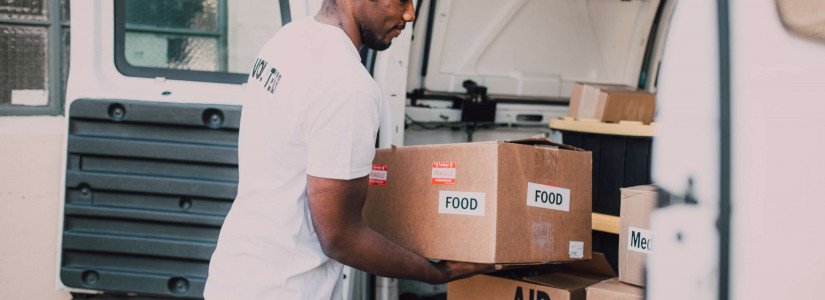
- Food arrives at the food bank through donations or purchases
- Staff check and sort the food to make sure it's safe and organized
- Food is stored in the warehouse
- Partner organizations pick up food to share with their communities
These partner organizations include food pantries, soup kitchens, homeless shelters, and meal programs.
Food Bank vs. Food Pantry: What's the Difference?
People often mix up these two terms, but they serve different purposes:
- Food banks are large warehouses that give food to other organizations
- Food pantries are smaller locations that give food directly to individuals and families
How to Get Food From a Food Bank
Some food banks do offer food directly to people through:
- On-site pantries
- Mobile food trucks
- Drive-through pickups
- Emergency food giveaways
To find help near you:
- Visit Feeding America online
- Call 2-1-1 (United Way's helpline)
- Contact your local food bank directly to ask about their services
What to Expect When You Visit
When you go to a food pantry or distribution event, the experience can vary:
- Some places let you shop like a regular grocery store and pick what you need
- Others give you a pre-packed box of food
Most food pantries are open to everyone. You usually don't need to prove anything to get help.
Some locations may ask for basic details like your zip code or how many people live in your home. This information helps them track how many people they serve—not to turn anyone away.
-
Subscribe to secure your food stamps and learn more about this government benefit.

Related Articles
View all posts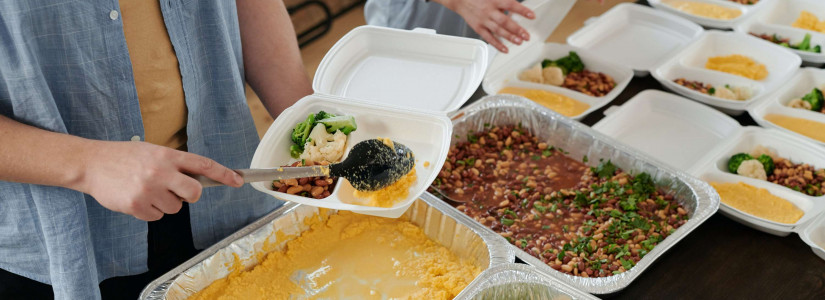
$400 Emergency Relief Payment for Illinois Residents Who Lost SNAP Benefits
Illinois is offering temporary financial support to help residents who lost their SNAP food benefits due to expanded federal work requirements. Through a new $70 million state program called Fa...
Summer 2026 Food Help for Families: Free Meals and Other Resources...
When school is out for summer, many children lose access to the free or reduced-price meals they depend on during the school year. This can put extra strain on family budgets. SUN Bucks (also known as ...
How Food Banks Work: A Simple Guide...
A food bank is a large warehouse run by a nonprofit organization that collects and stores food to help fight hunger. Think of it as a central hub where food comes in, gets organized, and then goes out to smaller local programs that ...

Where to Find Free Groceries in Texas and California (March 23–28, 2026)...
Families in Texas and California who are looking for extra help with groceries can access several free food distribution events this week. These programs are designed to be easy to use, and you...

Why is Junk Food Cheaper? (And How to Eat Healthy on a Budget)...
If you’ve ever noticed that a box of cookies costs less than a bag of apples, you aren’t alone. In the United States, junk food like soda, white bread, and processed snacks are the most common sou...

Grocery Prices: What’s Getting Cheaper and What’s Still Going Up...
U.S. shoppers are finally seeing some relief at the grocery store, but the news is a mixed bag. While prices for some kitchen staples are finally dropping after years of high inflation, other everyday i...