Losing SNAP can feel like the floor dropping out from under your grocery budget.
The good news is that help exists, and some of it can start this week.
Step 1: Find food now
These options can help while you sort out the paperwork:
- Your local food bank. Feeding America's locator lets you enter a ZIP code to find nearby food banks and their hours, locations and services.
- 211. Delaware's state agency points residents to 211, which you can call or text with your ZIP code, for help with food assistance. Other states run similar lines.
- The Hunger Hotline. Hunger Free America runs a hotline at 1-866-3-HUNGRY, or you can text 97779 with a word like "food."
- Free meals for kids. No Kid Hungry runs a Free Meal Finder for local children's meal programs.
A quick tip on terminology.
A food bank is a warehouse, while a pantry gets its food from a food bank and hands it directly to people.
At a pantry, you may be asked a few questions about your household so they can give you the right amount of food.
Step 2: Find out why your benefits stopped
Many people lose benefits because of the work rules.
The law expanded work or training requirements to adults up to age 64, at 80 hours per month.
Some earlier exemptions were also removed, including those for veterans, people experiencing homelessness, and former foster youth.
That doesn't mean you're automatically out of luck.
An Illinois guide says many exemptions exist and encourages people to screen for them.
Your state agency can tell you which rules apply to you.
Step 3: Take action on your case
You may have more options than you think:
- Appeal the decision. Illinois materials say you have the right to appeal, and a successful appeal can recover benefits you missed.
- Meet the requirement and reapply. The same guide says you can get back on SNAP by meeting the work requirement and submitting a new application.
- Ask for a free screening. Chicago's Beyond Hunger pantry offers one-on-one coaching and can screen clients for exemptions and help with state paperwork.
Your local food bank may offer similar help, so it's worth asking.
Step 4: Check for state and local aid
Some states are adding their own safety nets.
Connecticut began distributing a one-time $300 grocery card through local Community Action Agencies to people who lost SNAP because of the federal work-rule changes.
If you're elsewhere, check your state social services website or call 211 to see if something similar exists.
Step 5: Look at other federal food programs
SNAP isn't the only program available:
- WIC. It provides free healthy foods, breastfeeding support and nutrition education for eligible families.
- School meals. Parents can apply for free or reduced-price meals for children in participating schools and programs.
- Meals on Wheels. This is a senior nutrition option listed among federal and community resources.
- TEFAP. The Emergency Food Assistance Program supports food assistance through local food providers.
Don't wait until the fridge is empty
Food banks are busier than ever, but they remain one of the fastest ways to get groceries.
One Virginia pantry director says her clients' visits have doubled in two years, though she says the pantry has never run out of food.
So reaching out early is worthwhile.
-
Subscribe to secure your food stamps and learn more about this government benefit.
Related Articles
View all posts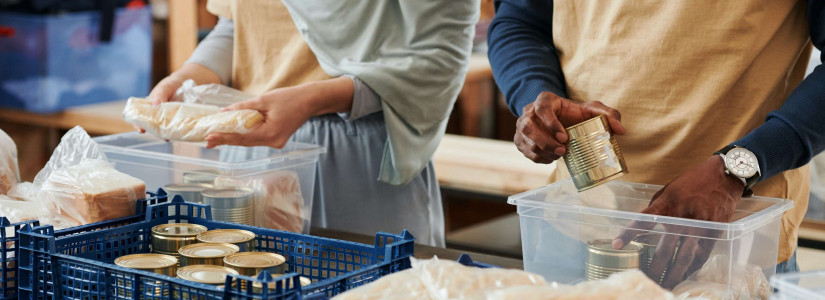
Lost Your SNAP Benefits? Here's Where to Turn for Help...
Losing SNAP can feel like the floor dropping out from under your grocery budget. The good news is that help exists, and some of it can start this week. Step 1: Find food now These options can help while you so...

$400 Emergency Relief Payment for Illinois Residents Who Lost SNAP Benefits
Illinois is offering temporary financial support to help residents who lost their SNAP food benefits due to expanded federal work requirements. Through a new $70 million state program called Fa...

Summer 2026 Food Help for Families: Free Meals and Other Resources...
When school is out for summer, many children lose access to the free or reduced-price meals they depend on during the school year. This can put extra strain on family budgets. SUN Bucks (also known as ...

How Food Banks Work: A Simple Guide...
A food bank is a large warehouse run by a nonprofit organization that collects and stores food to help fight hunger. Think of it as a central hub where food comes in, gets organized, and then goes out to smaller local programs that ...

Where to Find Free Groceries in Texas and California (March 23–28, 2026)...
Families in Texas and California who are looking for extra help with groceries can access several free food distribution events this week. These programs are designed to be easy to use, and you...

Why is Junk Food Cheaper? (And How to Eat Healthy on a Budget)...
If you’ve ever noticed that a box of cookies costs less than a bag of apples, you aren’t alone. In the United States, junk food like soda, white bread, and processed snacks are the most common sou...